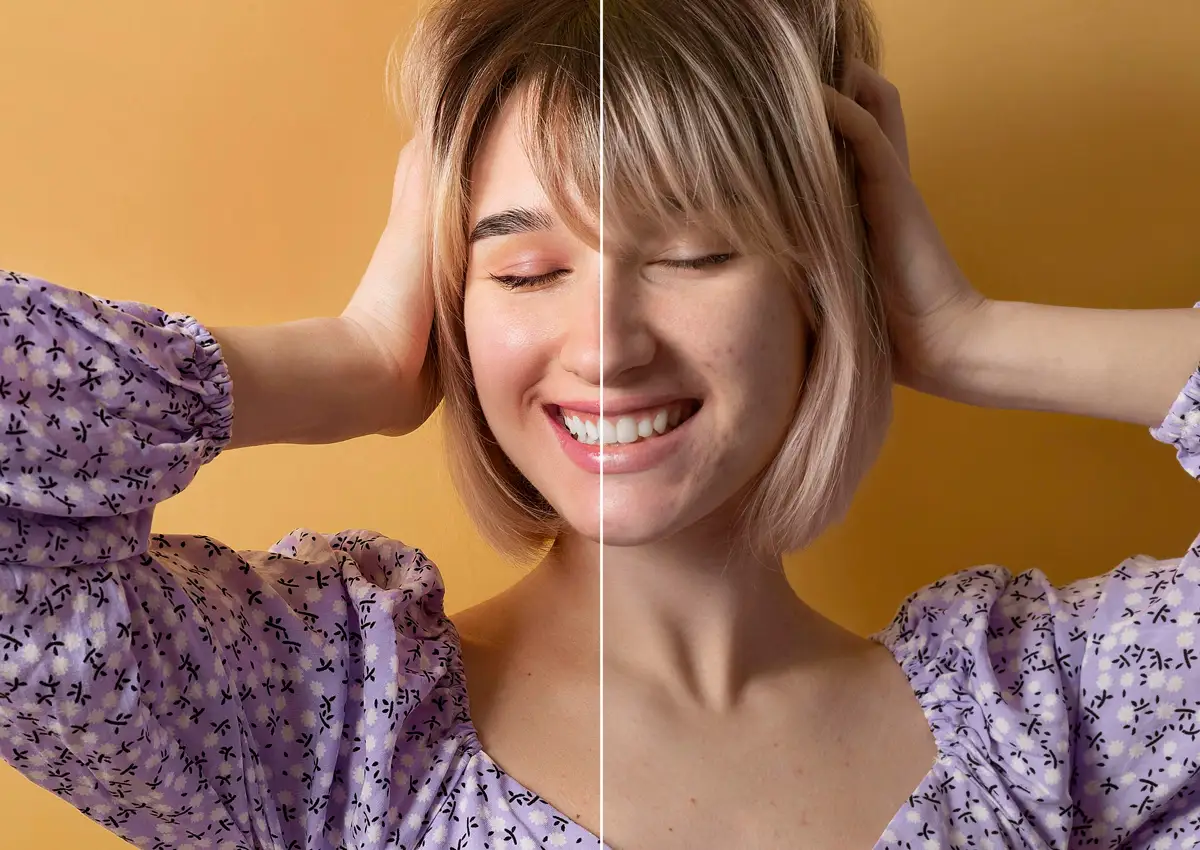
In this article, you will understand the pathogenesis and clinical manifestations of acne, commonly used acne-removing ingredients, and product types in cosmetics. We will design and develop an anti-acne essence based on current market trends and consumer needs. So, if you’re looking to develop private label acne products for your brand, this guide is for you.
- WHAT IS ACNE
- TYPES OF ACNE COSMETICS
- COMMONLY USED ACNE RAW MATERIALS IN COSMETICS
- ANTI-ACNE ESSENCE FORMULA DESIGN
- EFFICACY EVALUATION OF ANTI-ACNE ESSENCE
- BUILD YOUR PRIVATE LABEL ANTI-ACNE PRODUCTS NOW!
WHAT IS ACNE
Acne is one of the most common skin problems, commonly known as “pimples,” and is a chronic inflammatory skin disease that affects the sebaceous glands. The main manifestations are acne, papules, pustules, nodules, cysts, etc. The etiology mainly includes four aspects:
- Increased sebum secretion
- Excessive keratinization of pilosebaceous ducts
- Increased reproduction of Corynebacterium acnes in pilosebaceous glands
- Inflammatory responses under the action of inflammatory mediators
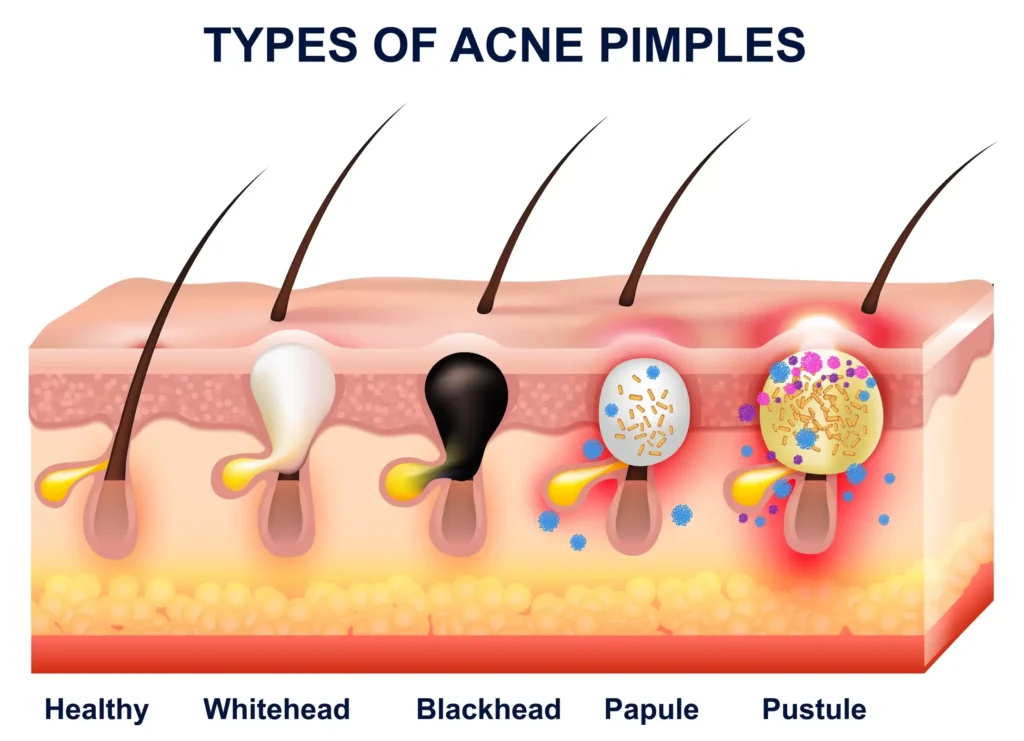 Male hormones can regulate sebum secretion, and excessive secretion of male hormones is one of the causes of acne. Hyperkeratosis of the pilosebaceous ducts can be regarded as the early stage of acne, that is, the comedogenic stage, and it is also a characteristic manifestation of acne. The metabolic rate of adult skin decreases, and it is prone to excessive accumulation of keratin on the facial skin, clogged pores, and acne-prone skin.
TYPES OF ACNE COSMETICS
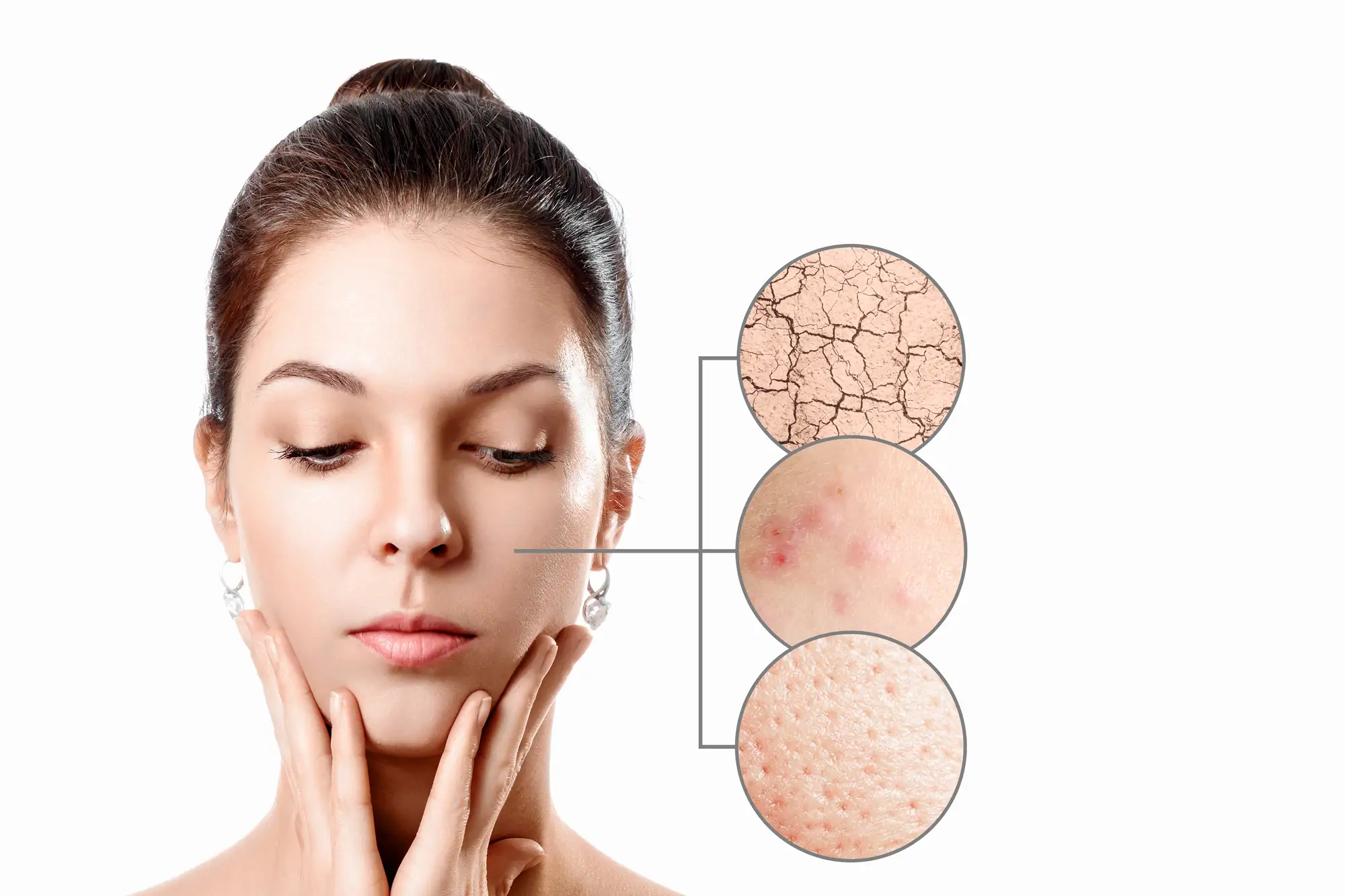
Cleansing claims have always been dominant in acne-removing skin care products, and cleansing products such as facial cleansers and cleansing bubbles with many acne-removing claims are widely favored by consumers. Leave-on products such as toners, lotions, essences, facial masks, and even sunscreens are also subdivided into products in the field of anti-acne efficacy, so the types of anti-acne cosmetics are extensive.
The growth in moisturizing products claims and the form of serums indicates a growing awareness of the benefits of a multi-step treatment for blemishes. While new acne products are still mainly focused on facial skin care, body care products with acne claims are rising. In the body care sector, acne claims, although still a niche, is on the rise as brands target consumers who are troubled by body acne/pimples and want to reduce them. The number of new products in the acne-fighting skin care segment is relatively stable. Still, brands have shifted their focus to body care products and facial skincare products in the form of high-efficiency serums, while moisturizing and moisturizing are leading claims. The traditional consumer perception is that acne-prone skin is prone to oily skin, so such people may use overly harsh cleaning and care products. However, as people use online channels to self-learn about acne, consumers have become increasingly aware that over-cleansing can damage their skin. At the same time, moisturizing is critical for acne-prone skin.
COMMONLY USED ACNE RAW MATERIALS IN COSMETICS
①Surfactant: Cleaning products can wash off excess oil and dirt on the skin surface in daily care, and properly cleaning the skin is conducive to improving acne. Surfactants with functions such as foaming, emulsifying and dispersing are usually added to the formulation of cleaning products. Commonly used are fatty acid soaps formed by neutralizing lauric acid, palmitic acid, stearic acid, etc., with potassium hydroxide in soap-based cleansing products, potassium cocoyl glycinate, and sodium cocoyl glutamate in amino acid cleansing products. Cocamidopropyl Betaine, Sodium Laureth Sulfate, etc.
②Cortical inhibitor: Zinc can reduce the decomposition of sebum into fatty acids through a bactericidal effect, inhibit the dominant division of the epidermis, and delay the keratinization of epidermal cells. Commonly used zinc agents include PCA zinc, zinc gluconate, and the like. The Vitamin B family has a wide range of applications in anti-acne cosmetics. For example, pyridoxine tripalmitate modified from vitamin B6 can reduce skin oil. Vitamin H, also known as biotin, can improve skin metabolism and prevent seborrheic dermatitis and acne. Niacinamide has anti-inflammatory effects, can inhibit the degranulation of mast cells, and reduce histamine release. At the same time can regulate sebum secretion to achieve the effect of acne. In addition, niacinamide is also a commonly used whitening ingredient, which can effectively improve post-inflammatory hyperpigmentation and has an excellent acne-removing effect. Therefore, whitening ingredients such as vitamin C derivatives, tranexamic acid, etc., are usually compounded in the formula of acne-removing products. The post-inflammatory pigmentation caused by acne can be improved through the synergistic action of various whitening ingredients to solve consumers’ troubles. Consumers prefer plant ingredients and ingredients of natural origin, and they will have a safe and secure impression. Soy isoflavones isolated from soybeans have estrogen-like activity and anti-estrogen effects and can be used to treat acne in post-adolescent women. Danshen extract containing tanshinone can directly inhibit the proliferation of sebaceous gland cells, thereby inhibiting sebum secretion.
③Keratin dissolving component: α-hydroxy acid is an adjuvant treatment for acne, hyperpigmentation, and other conditions. It has been studied that 4% alpha-hydroxy acid combined with physical therapy can improve whiteheads and blackheads. The commonly used ones are lactic acid and glycolic acid. Among β-hydroxy acids, salicylic acid is more commonly used. It is a fat-soluble substance. It can penetrate pores and dissolve the stratum corneum along the sebaceous glands that secrete oil. There is a certain degree of difficulty. In addition, some consumers are intolerant to salicylic acid and prone to discomfort such as tingling, dryness, and scaling. Salicylic acid that can be improved using advanced technology, such as G00011 BETA HYDROXYDE ACSD from BASF, is a molecular structure that combines salicylic acid and gum arabic can better localize to the stratum corneum, reduce potential irritation and Keep skin comfort at its best. BioGenic SA-200 produced by Biogenics company, uses oligomer complex solubilization technology to make salicylic acid with poor water solubility completely dissolve in water through the oligomer encapsulation wall, which is not irritating to the skin at the same time.
In addition, retinol and its derivatives are also classic oil-controlling and acne-removing ingredients. They have sound effects on various acne skin lesions and can improve fine lines. They are also widely used in anti-aging products. Like salicylic acid, this raw material also has a specific irritant and characteristic odor. The stability of the retinol raw material has a significant influence on the efficacy and stability of the formula. Careful consideration is required in formula design, process, and compound ingredients to ensure the formula’s stability and efficacy so that consumers can feel comfortable Using products to solve skin troubles.
④ Antibacterial and anti-inflammatory ingredients: Plant essential oils have been proven to have antibacterial, antifungal, antiviral, antioxidative, and insect repellent properties. Consumers have always trusted tea tree oil as an acne-removing ingredient, and many domestic studies have confirmed that tea tree oil has antibacterial effects.
ANTI-ACNE ESSENCE FORMULA DESIGN
Use a variety of acne-removing raw material combinations to solve acne problems in multiple links. The acne-removing raw materials are mainly packaged with salicylic acid and niacinamide, focusing on keratin dissolution, cortical inhibition, inflammation relief, accelerated keratin metabolism, and gently exfoliating and depositing melanin. In combination with niacinamide and sodium ascorbyl phosphate, niacinamide inhibits the migration of melanosomes to the skin surface. Sodium ascorbyl phosphate directly restores melanin at the bottom of the muscle, thereby improving post-inflammatory hyperpigmentation and acne scars. Sodium Ascorbyl Phosphate is a multi-functional ingredient, inhibiting the reproduction of Propionibacterium acnes, lipid oxidation that leads to inflammation and keratinization of hair follicles, and effectively treat inflammatory acne. It also has antioxidant properties, promotes collagen synthesis, and achieves anti-aging and anti-wrinkle effects. The anti-acne essence is compounded with licorice, salvia, Centella Asiatica, calendula, and other plant ingredients. Relieve acne from oil control, antibacterial, anti-inflammatory, and soothing pathways. Through the combined use of these raw materials, the link-type acne improvement can be achieved from three aspects: muscle base generation, middle layer transport, and surface layer metabolism.
Consider the irritation of nicotinamide and salicylic acid and the stability of salicylic acid and sodium ascorbyl phosphate. Maskera has carried out many tests to screen the formula frame to ensure that the product has a good acne-removing effect at the same time. It has excellent stability during the shelf life, making it comfortable for consumers to use and mild and non-irritating safety. In the test, it was found that the combination of different oils, emulsifiers, and thickeners in the formula can improve its absorbency of the formula. Consumers generally prefer fast-absorbing products, feeling that the active ingredients are quickly absorbed into the skin, resulting in a feeling of the quick onset of action. But for salicylic acid, an irritating ingredient, properly controlling the absorption speed of the product can improve its mildness.
In addition, it breaks through the acidic pH value of traditional salicylic acid products. It adopts a weak alkaline and neutral formula of pH 7.0 to 7.5, which significantly reduces the irritation of salicylic acid on the skin. In addition, sodium ascorbyl phosphate and the compound added to tocopherol can maintain better stability. From the point of view of safety and mildness, the formula design of the anti-acne essence milk does not add pigments and fragrance ingredients. Still, it gives the product color and fragrance through plant ingredients such as salvia miltiorrhiza root extract. In the process of using the product and improving acne, consumers can feel fresh and natural and produce a happy mood. In recent years, skin microecology has also received extensive attention, improving the skin microbiota and barrier function to achieve acne’s effect. The dual functional combination will push acne skin care products to new heights.
On the main frame raw materials of other formulas, the thickening system adopts the combination of xanthan gum, ammonium acryloyldimethyltaurate/VP copolymer, acrylic acid (esters/C10-30 alkanol acrylate cross-linked polymer, making the formula light and thin, Moisturizing, non-sticky, and easy to pick up and apply. The oil content in the whole formula is low, and the formula skin feels refreshing and non-greasy, suitable for consumers with acne troubles and oily skin. After the product is absorbed, the skin surface is dry, smooth, and not shiny.
EFFICACY EVALUATION OF ANTI-ACNE ESSENCE
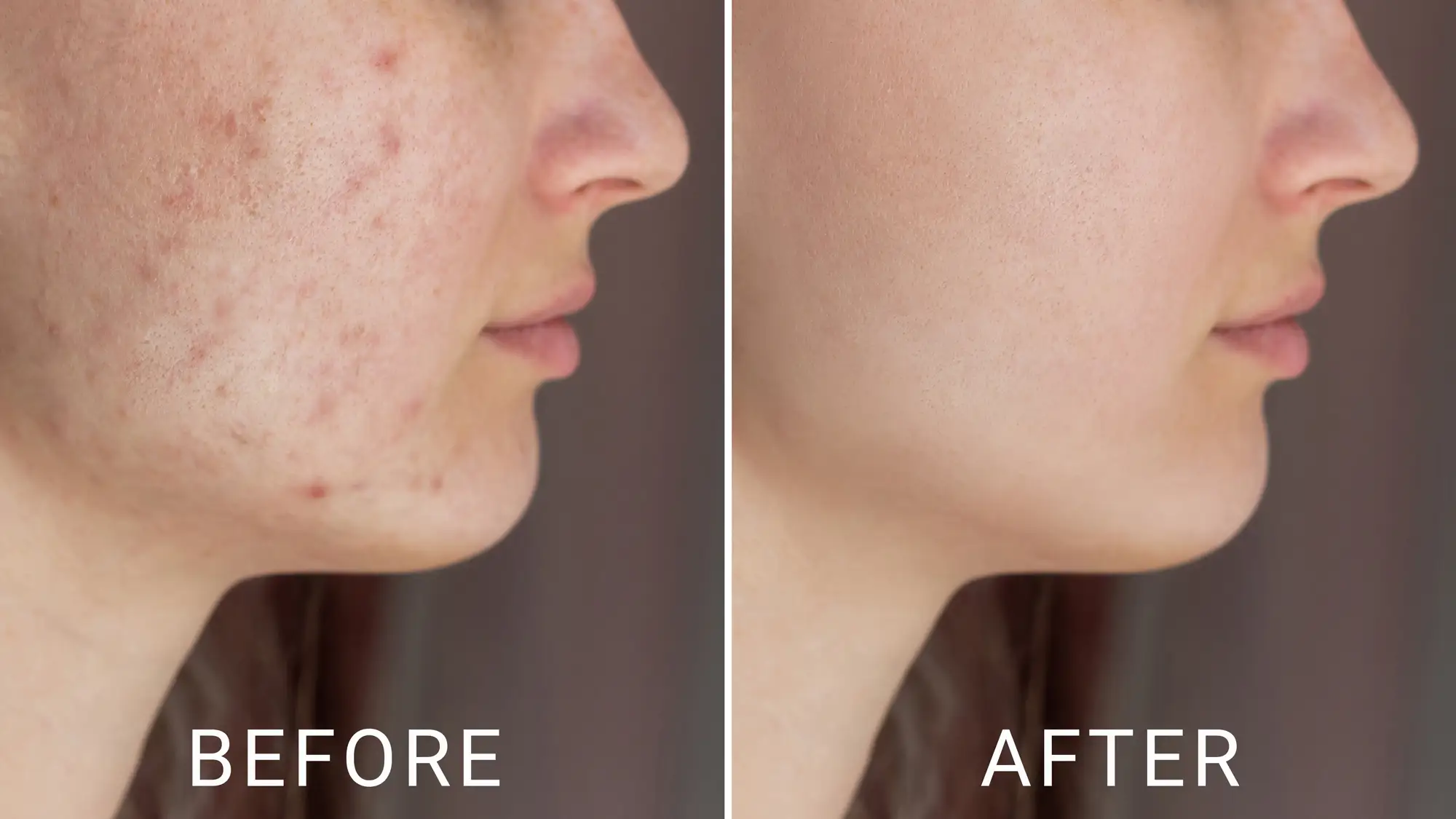
The test method is a 14-day open-use product efficacy test. This test adopts the methods of skin non-invasive detection instrument measurement, image analysis, and subjects’ self-assessment efficacy questionnaire. We selected thirty females, and the products were used continuously for 14 days on the designated affected areas of the face to evaluate the acne-removing, repairing, soothing, oil-controlling, and moisturizing effects of the products. Instrument testing and detection indicators include skin percutaneous water loss and subcutaneous red pigment analysis (b value). At the same time as the instrument test, a questionnaire was designed for the subjects, and the self-assessment results of the subjects were collected and analyzed.
SKIN PERCUTANEOUS WATER LOSS RATE:
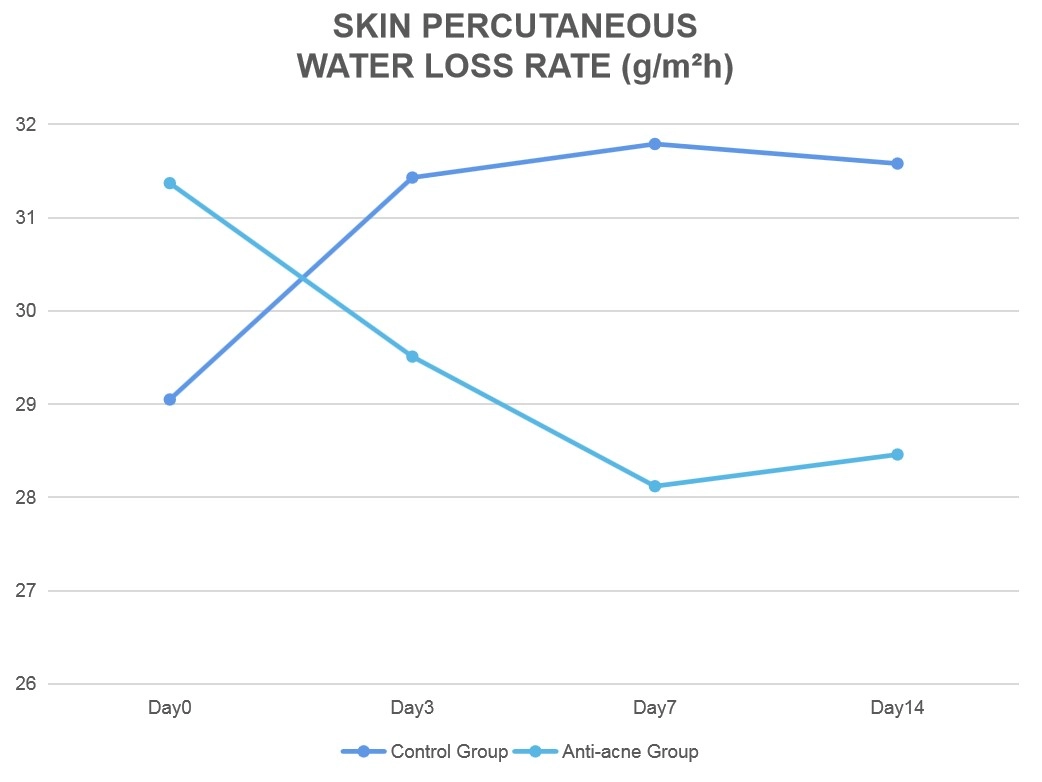
Compared with the baseline value (Day0) and the control site, the skin transdermal water loss rate in the test group showed a downward trend at the time points of Day3, Day7, and Day14.
SUBCUTANEOUS RED PIGMENT ANALYSIS:
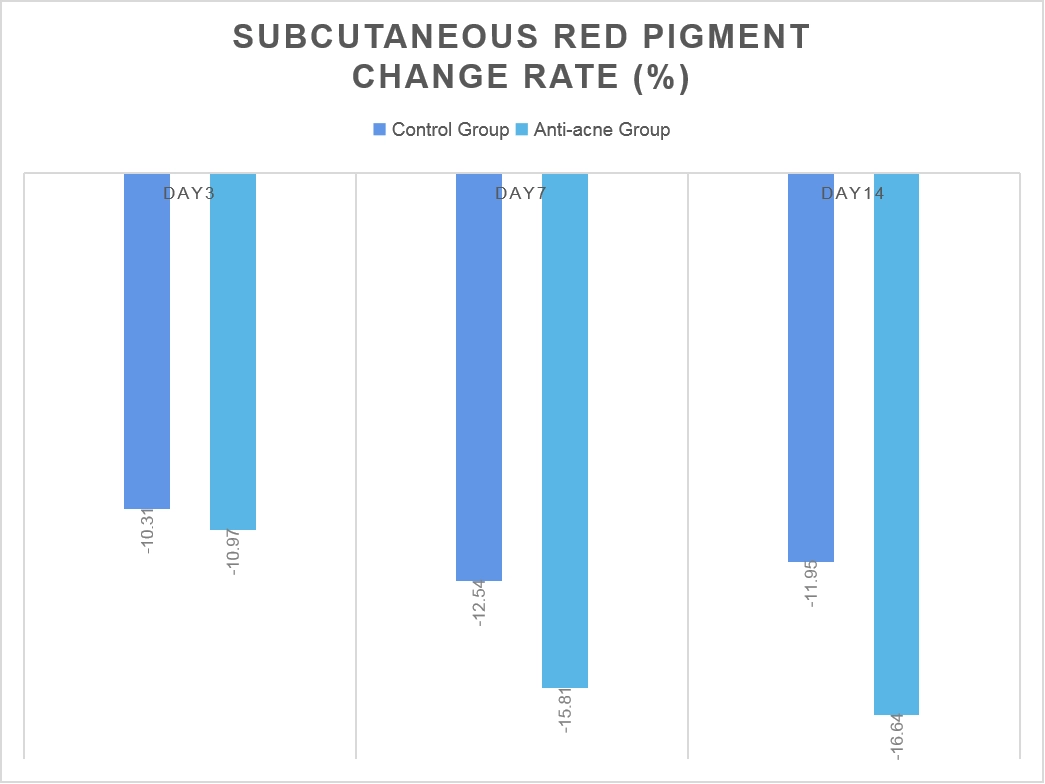
Compared with the baseline value (Day0) on Day3, Day7, and Day14, the subcutaneous b value of the test group decreased by 10.97%, 15.81%, and 16.64%, respectively.
ANALYSIS OF 60 FEMALES’ SELF-ASSESSMENT RESULTS:
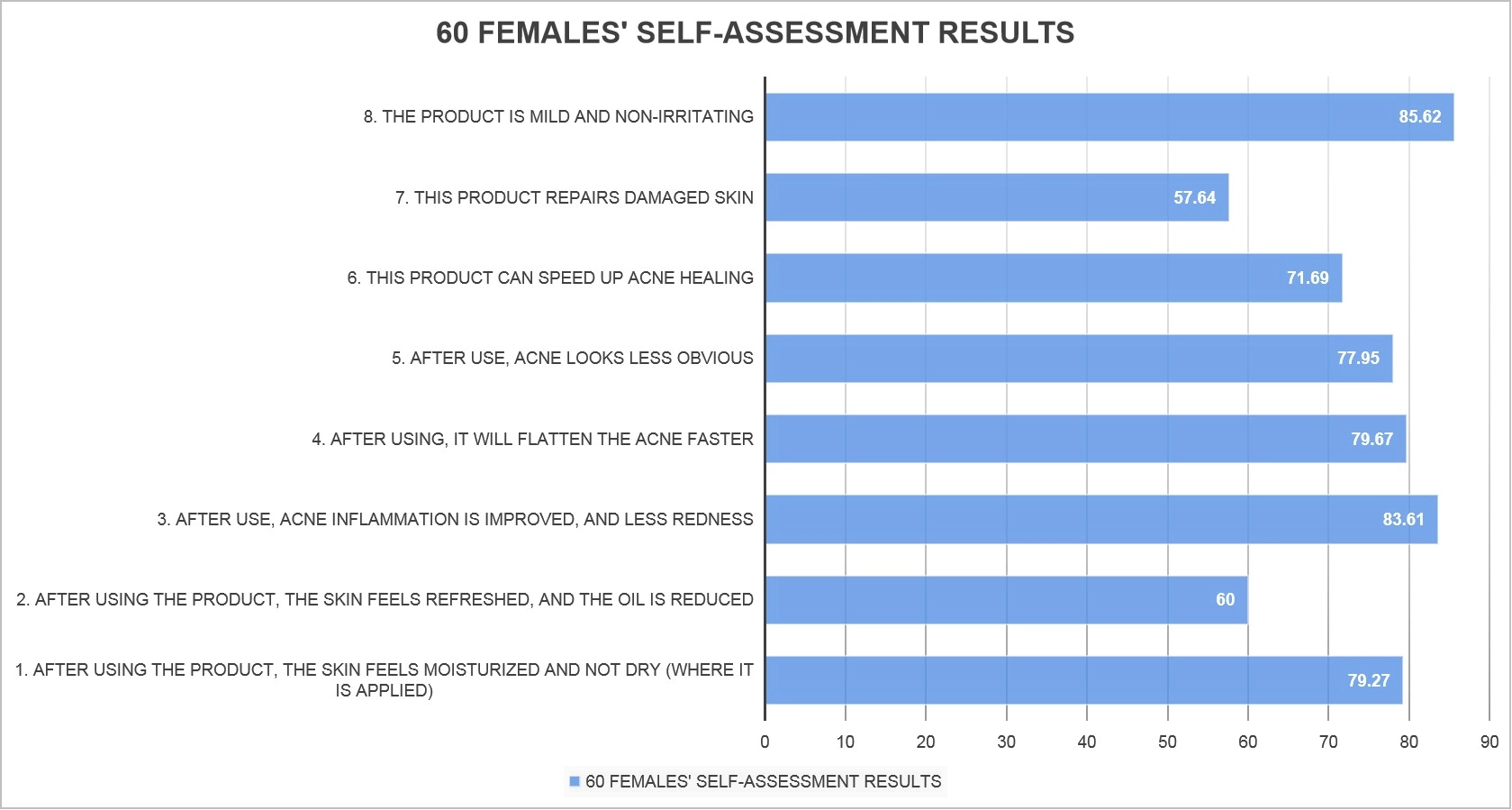
The results are shown in the figure. After 60 females used the acne cream for 3 days, 83.61% of the subjects were satisfied that “the acne inflammation improved and the redness was less after use.” 79.67% of the subjects were satisfied with “the pimples flattened faster after use” and “the pimples looked less obvious after use.” 85.62% of the subjects felt that the product was mild and non-irritating.
BUILD YOUR PRIVATE LABEL ANTI-ACNE PRODUCTS NOW!
So that’s it for Maskera guide to private label anti-acne cosmetics products. We hope you enjoyed it. Maskera is a leading private label cosmetics manufacturer that provides innovative and sustainable solutions for customers in the Personal Care industry. By partnering with Maskera, customers can customize private label cosmetic products to meet specific needs with as much precision as possible. At the same time, Maskera’ research and development focus on addressing critical trends in the cosmetics industry, including energy efficiency, renewable raw materials, and conserving finite resources. Don’t hesitate to contact us if you want to develop a private label cosmetics product.

Lucy Chen
Product Manager